

Understanding Types of Maintenance in Industry: A Maintenance Categories Guide

Alright, let’s get real. Maintenance in heavy industry isn’t glamorous. It’s dirty, it’s tough, and honestly, it’s often overlooked until something breaks down and chaos ensues. But if you want your equipment to last and your operations to run smoothly, you gotta understand the basics. So here’s my blunt, no-nonsense maintenance categories guide to help you get a grip on what’s what.
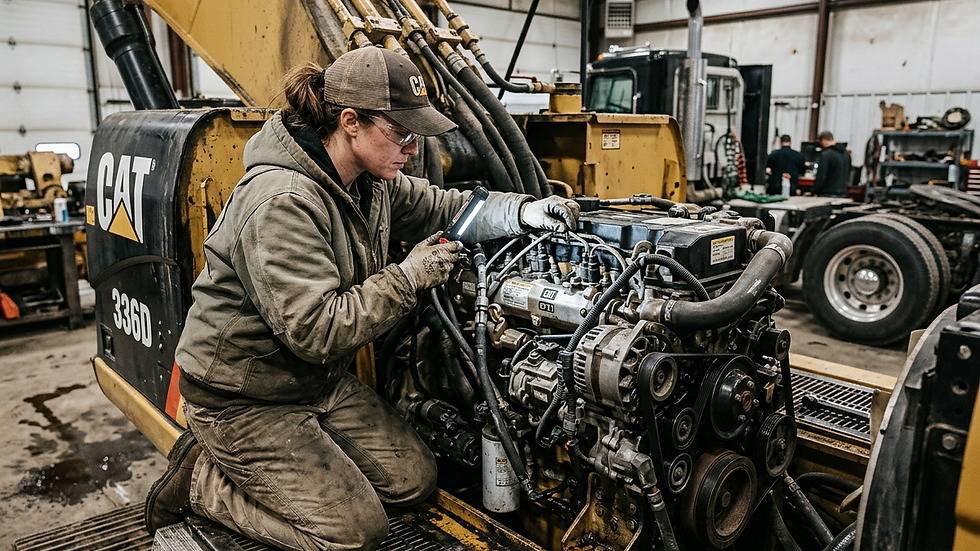
I’m not great at marketing, and I know these AI-generated images aren’t winning any awards, but hey, they get the point across. Let’s dive in.
Why You Need a Maintenance Categories Guide
If you’re running heavy equipment or managing industrial machinery, you already know downtime is your enemy. Every minute your gear is out of commission, you’re losing money. But maintenance isn’t just about fixing stuff when it breaks. It’s about planning, preventing, and sometimes just waiting for the right moment to act.
This guide breaks down the main categories of maintenance so you can figure out what fits your operation best. Whether you’re in mining, trucking, civil construction, or any other heavy-duty industry, knowing these categories helps you prioritize and budget better.
The Main Maintenance Categories Guide
Here’s the deal. Maintenance falls into a few broad buckets. Each has its own pros and cons, and each fits different scenarios. Let’s look at the big ones:
1. Reactive Maintenance (Run-to-Failure)
This is the “wait until it breaks” approach. No fancy inspections or schedules. You just fix it when it stops working. Sounds lazy, but sometimes it’s practical—especially for non-critical equipment or when repair costs are low.
Example: A conveyor belt motor in a secondary system that’s easy to replace might be left to run until it fails.
Downside: Unexpected downtime can be costly and dangerous.
2. Preventive Maintenance
This is the classic “scheduled maintenance” you’ve heard about. You perform regular inspections, lubrication, part replacements, and adjustments based on time or usage intervals.
Example: Changing oil in a heavy-duty truck every 10,000 km or inspecting hydraulic hoses every 6 months.
Benefit: Reduces unexpected breakdowns and extends equipment life.
Drawback: Sometimes you replace parts that still have life left, which can waste resources.
3. Predictive Maintenance
This one’s a bit fancier. It uses data and condition monitoring tools to predict when a part will fail. Think vibration analysis, thermal imaging, or oil analysis.
Example: Using sensors on a mining excavator’s engine to detect abnormal vibrations that signal bearing wear.
Advantage: Fix things only when needed, saving time and money.
Challenge: Requires investment in technology and skilled personnel.
4. Condition-Based Maintenance
Similar to predictive, but more reactive. You monitor equipment condition and perform maintenance only when certain indicators show deterioration.
Example: Checking brake pad thickness on a heavy truck and replacing it only when it reaches a critical limit.
Pro: Avoids unnecessary maintenance.
Con: Needs reliable monitoring systems.
5. Proactive Maintenance
This is about addressing root causes to prevent failures before they happen. It involves redesigning processes, improving training, or upgrading equipment.
Example: Replacing a problematic hydraulic hose design with a more durable one to prevent frequent leaks.
Benefit: Long-term reliability improvements.
Downside: Can be costly upfront and requires commitment.

What are the 5 types of maintenance pdf?
If you’re like me and prefer having something to print or share, there are plenty of PDFs out there that summarize these maintenance types. They usually cover:
Reactive Maintenance
Preventive Maintenance
Predictive Maintenance
Condition-Based Maintenance
Proactive Maintenance
These documents often include flowcharts, checklists, and examples tailored for industries like mining, trucking, and construction. They’re handy for training new staff or standardizing your maintenance program.
If you want a quick reference, just search for “maintenance types pdf” online. You’ll find plenty of free resources. Just remember, no PDF can replace hands-on experience and adapting strategies to your specific operation.
How to Choose the Right Maintenance Strategy for Your Operation
Here’s where it gets tricky. No one-size-fits-all solution exists. Your choice depends on:
Equipment criticality: How important is the machine to your operation?
Cost of downtime: Can you afford unexpected breakdowns?
Maintenance budget: How much can you spend on inspections and repairs?
Available technology: Do you have access to sensors and monitoring tools?
Staff expertise: Are your mechanics trained for advanced diagnostics?
Practical tip: Start with preventive maintenance for your critical assets. Add predictive or condition-based methods as you grow and can invest in technology. Use reactive maintenance only for non-essential equipment.
Implementing a Maintenance Program That Works
Setting up a maintenance program isn’t rocket science, but it does take discipline. Here’s a simple plan:
Inventory your equipment: Know what you have and its condition.
Classify assets: Identify critical vs. non-critical machines.
Set maintenance schedules: Based on manufacturer recommendations and past experience.
Train your team: Make sure everyone knows their role.
Use technology wisely: Start small with condition monitoring tools.
Track everything: Use logs or software to record maintenance activities and failures.
Review and adjust: Regularly analyze data and tweak your program.
Remember, maintenance is an ongoing process. It’s about learning from failures and improving.

Wrapping It Up Without Being Too Formal
So, there you have it. A straightforward maintenance categories guide that hopefully clears up the fog around industrial maintenance. I’m no marketing guru, and these AI images are... well, let’s just say they’re functional. But the info? Solid.
If you want your heavy equipment to keep running and avoid those nasty surprises, understanding the types of maintenance) is your first step. Pick what fits your operation, invest in your team, and keep learning.
Maintenance isn’t sexy, but it’s the backbone of every successful industrial operation. Don’t wait until your gear breaks down to care about it. Start now, and save yourself a headache later.


Comments